The road used to be a destination
I was watching the Hollywood classic It Happened One Night (1934) the other day. It is most known for setting the stage for the multitude of romcoms that would follow. The plot is about a rich, spoiled heir who runs away from her father in Florida to New York on a bus, where she meets and falls in love with a journalist. What caught my eye, though, wasn’t the plot, but rather the depiction of the road trip. Soon into their journey, they stop at a rest stop where a man yells, soliciting passengers to have fresh coffee and hot dogs. Narrow two-lane highways with diners that hug the kerb and pop up organically because someone had the sense to put up a stove and a counter. That America of the 1930s oddly reminded me of driving through the highways of Kerala during my frequent drives between Trivandrum and Kochi, not that long ago.
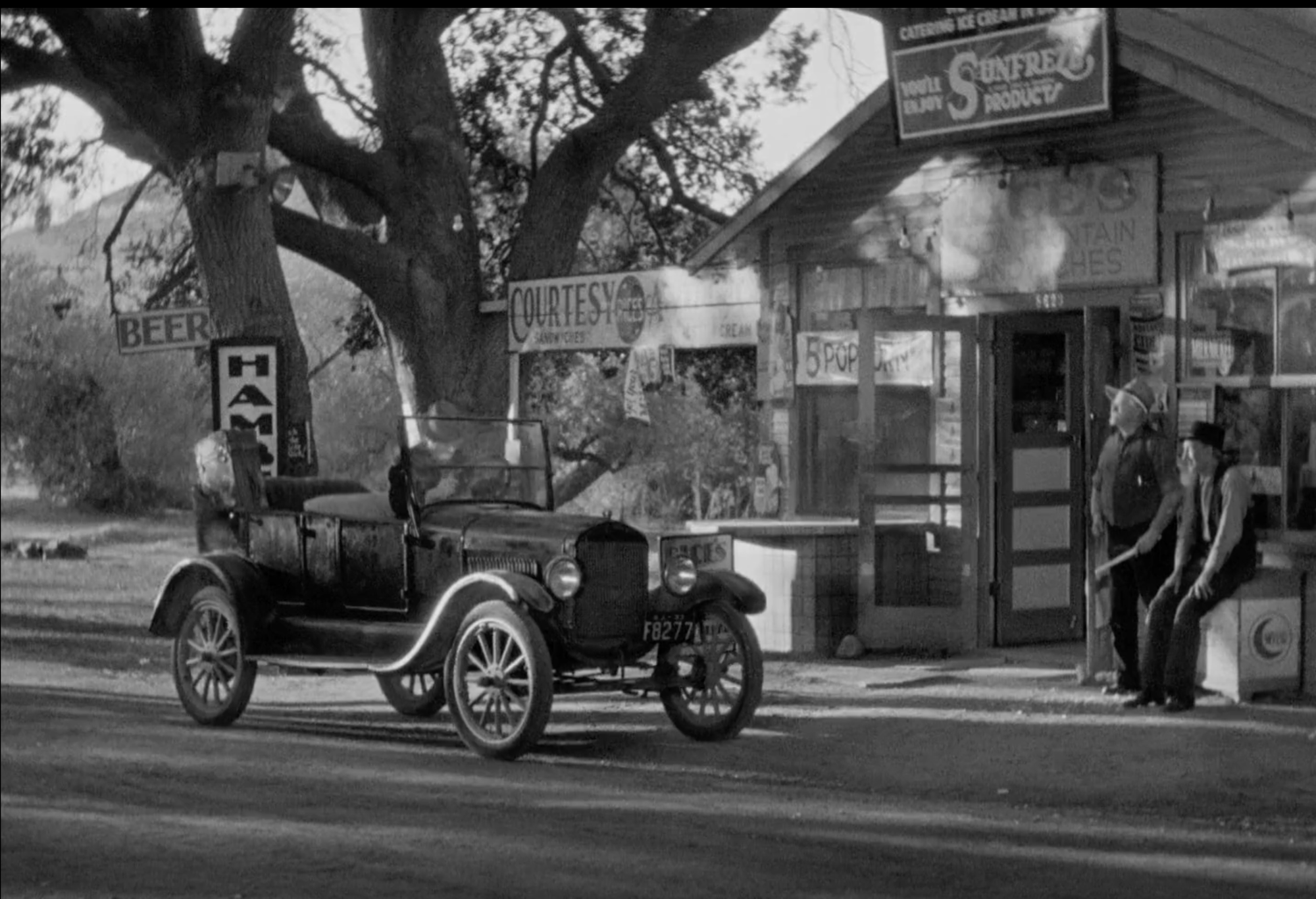
The version of the road that predates the modern motorways was a destination in itself. The American version of it was the main street highway (the famous Route 66, for example), the one that actually entered the town centre with diners and barbershops lining the way. The road and the community were part of the same unit. And when things got competitive, the business got creative - shoe-shaped buildings for a cobbler or a hotdog stand with a hotdog roof. The Kerala version of this was the murukkan kadas, with banana bunches of various colours hanging from the beams of those shops, toddy shops with painted palm trees, and fishmongers with aluminium vessels heaped with fish. Different method, but same logic to capture the eye before the car passes.
In the US, the Federal-Aid Highway Act of 1956 was the death knell of this. The engineering principle of controlled access fundamentally changed the relationship between the roads and the people who lived along them. The physical infrastructure did not disappear overnight, but grew quieter and quieter and then died a slow death. What replaced them were standardised rest stops at interchanges, where a cluster of big brands appeared rather than off-brand mom-and-pop establishments.
Kerala is in the middle of that same transformation. NH 66, which runs the length of the state, has been undergoing aggressive expansion for years, growing from its old 2-lane self into a modern access-controlled highway. Drive it nowadays, and you can see the character changing steadily - high concrete retaining walls and service roads pushed away from the main carriageway with entire stretches of former roadside frontage swallowed by the acquisition.
The Kerala road that I knew just a decade ago was an experience in sensory overload. The narrowness had you constantly aware of what lay on the side. The thattukadas with their wood smoke and the smell of fresh ulli-vada or pazhampori frying in coconut oil, plastic chairs right on the edge of the gravel, the small temples, mosques and churches with their offering boxes at touching distance. Filled with loud information that told you something about the place you were in every 100 metres.
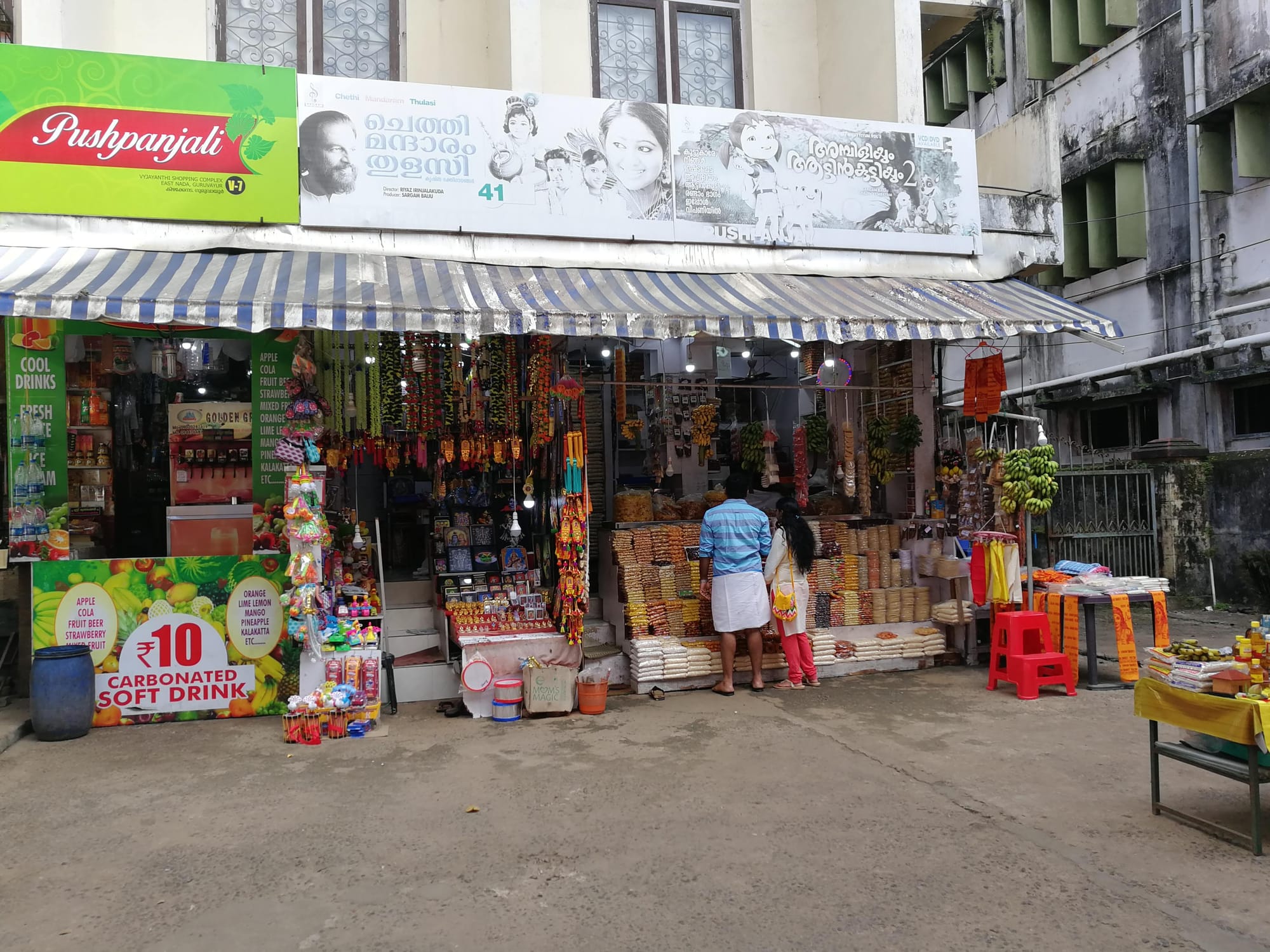
The new highway walls all this out; the barriers are no longer just metaphorical. They are metres high, separating life from the road. The roadside stall that once caught your eye and beckoned for that cup of chaya now sits behind a service road, hidden under the logic of the controlled access.
The economic consequences of what’s happening right now in Kerala closely mirror what American small towns experienced in the 60s. The business model that relied on the driver's ability to stop on the kerb is gone. The new NH 66 is no longer that kind of road. Commerce doesn’t disappear; instead, it will concentrate into plazas and standardised establishments, replacing the many smaller ones.
That’s the romantic in me. But the hard fact is that the new highway cuts travel time between Trivandrum and Kochi to 2.5 hours, down from 6 hours during peak traffic. And it will be substantially safer - and our roads badly need that. Progress here isn’t rhetorical; it actually saves human lives. The West (and a lot of the rest of India) made that trade-off a long time ago, and it was worth it. The math on lives and hours recovered makes it hard not to. I’ll take that, but what I’ll also keep is the vivid reminiscence of once driving that living road.
And perhaps, as I travel these new highways, I should remind myself to take a slow detour occasionally to let the journey offer up an unscripted moment or two, just as it used to.